
Constipation: When Your Gut Needs a Little Help
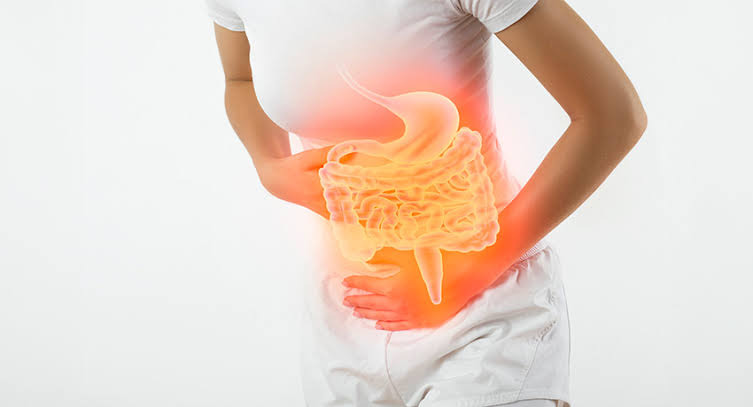
Let’s talk about something almost everyone experiences at some point—but few people enjoy talking about: constipation. Your digestive system has a regular routine, and when things slow down, your body definitely lets you know!
What exactly is constipation?
Constipation is more than simply “not going every day.” It generally means having fewer than three bowel movements per week, passing hard or dry stools, straining, or feeling that your bowel has not completely emptied. Some people may also experience bloating, abdominal discomfort, or a feeling of fullness. And here’s an important point: bowel habits vary from person to person. There is no magic number of bowel movements that everyone should have.
Why does constipation happen?
Often, the cause is surprisingly simple. Not drinking enough fluids, eating too little fiber, being physically inactive, ignoring the urge to go, or suddenly changing your diet can all slow things down. Certain medications can also cause constipation, including some opioid painkillers, iron supplements, calcium supplements, and some medications used for blood pressure, allergies, or depression. Sometimes, constipation can be related to medical conditions such as irritable bowel syndrome, diabetes, thyroid disorders, or problems affecting the nerves and muscles of the digestive tract.
Give your gut a helping hand
The good news? Small lifestyle changes can make a big difference.
🥦 Increase fiber gradually: Adults generally need around 22–34 grams of fiber per day, depending on age and sex. Fruits, vegetables, whole grains, beans, lentils, nuts, and seeds are excellent sources. Increase fiber slowly to reduce bloating and gas.
💧 Stay hydrated: Drink fluids regularly throughout the day. Your individual needs depend on your body size, activity level, climate, and health conditions.
🚶 Keep moving: Regular physical activity can help stimulate normal bowel function. Even a daily walk can be a good place to start.
🚽 Don’t ignore the urge: When your body says it’s time, try to go. Giving yourself enough time and maintaining a regular bathroom routine can also help.
What about laxatives?
Sometimes lifestyle changes are not enough, and laxatives may be appropriate. Different types work in different ways, and they are not all suitable for everyone. Bulk-forming fiber supplements, osmotic laxatives, and other options may be recommended depending on the cause and severity of constipation. It is best to ask a healthcare professional or pharmacist which option is right for you, particularly if constipation is persistent or you take other medications.
When should constipation raise a red flag?
Constipation is usually not serious, but persistent or new constipation should not simply be ignored. Seek medical advice if you have constipation accompanied by blood in the stool, unexplained weight loss, persistent or severe abdominal pain, vomiting, fever, or a significant change in your usual bowel
In conclusion, your gut loves routine. A fiber-rich diet, adequate fluids, regular movement, and responding to your body's natural signals can help keep things moving. And if your bowel habits suddenly change or constipation keeps coming back, it’s worth finding out why rather than simply reaching for another laxative.