
When Memories Start to Fade: Understanding Alzheimer’s
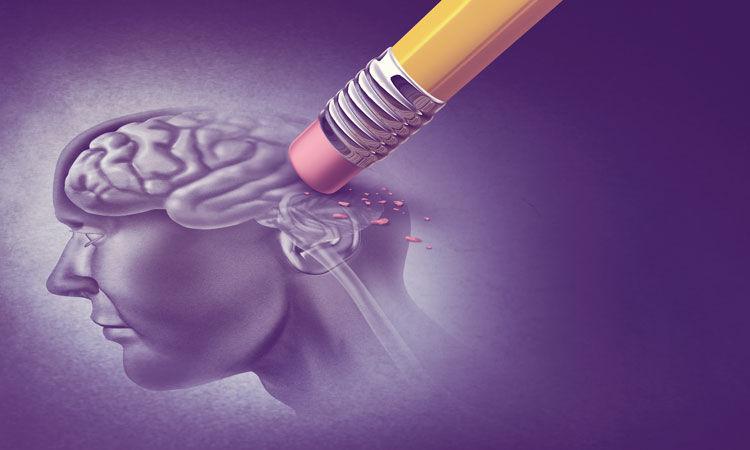
Imagine your brain as the world’s most sophisticated filing system. Every day, it receives thousands of pieces of information, names, faces, conversations, smells, sounds, and memories. Somehow, your brain sorts, stores, connects, and retrieves all of this information, often without you even thinking about it. But what happens when this incredible system starts to lose its organization? This is where Alzheimer’s disease enters the story.
What exactly is Alzheimer’s disease?
Alzheimer’s disease is a progressive brain disorder that gradually affects memory, thinking, reasoning, and eventually the ability to perform everyday activities. It is the most common cause of dementia in older adults. Importantly, Alzheimer’s is not simply a normal part of getting older.
What goes wrong inside the brain?
Scientists have identified several important changes.
One of the best-known involves a protein called beta-amyloid. In Alzheimer’s disease, abnormal amounts of beta-amyloid can accumulate between brain cells and form plaques.
Another involves a protein called tau. Normally, tau helps support the internal structure of nerve cells. In Alzheimer’s disease, abnormal tau can form tangled structures inside neurons.
Think of it like this: Amyloid plaques are like unwanted clutter building up between brain cells, while tau tangles are like damaged wiring inside the cells. Together with other biological changes, these processes can damage neurons and the connections between them, eventually leading to brain-cell loss.
And here’s something surprising… Alzheimer’s-related changes in the brain may begin many years before noticeable memory or thinking problems appear. This is one reason scientists are increasingly interested in detecting the disease earlier, before significant damage has occurred.
Is Alzheimer’s purely genetic?
Not usually. Age is the strongest known risk factor, but Alzheimer’s risk is influenced by a combination of genetics, health, lifestyle, and environmental factors. Having a family member with Alzheimer’s can increase risk, but having a family history does not mean that someone will definitely develop the disease.
What about treatment?
For many years, treatment mainly focused on managing symptoms. Today, the picture is beginning to change.
Two anti-amyloid therapies—lecanemab and donanemab—have received traditional FDA approval for people with early Alzheimer’s disease. These medicines target beta-amyloid and can slow the progression of cognitive decline in some appropriately selected patients.
But these treatments are not cures, and they are not suitable for everyone. They require careful evaluation and monitoring because they can cause potentially serious side effects, including amyloid-related imaging abnormalities involving brain swelling or bleeding.
The bigger picture
Scientists are realizing that Alzheimer’s is not just a story about memory. It involves a complex interaction between proteins, brain cells, blood vessels, inflammation, genetics, aging, and other biological processes. That means the future of Alzheimer’s research may involve multiple approaches rather than searching for one “magic bullet.” And the story is still being written.
The takeaway
Your brain is not just a memory storage device, it is a living, constantly changing network. Alzheimer’s disease can gradually disrupt that network, but scientific research is helping us understand the disease earlier, detect biological changes more accurately, and develop treatments that target some of the processes involved. The goal is no longer simply to ask, “Why are people forgetting?” Science is increasingly asking a much bigger question: “Can we understand what is happening in the brain early enough to change the story?”