
So, what about vaccines now?
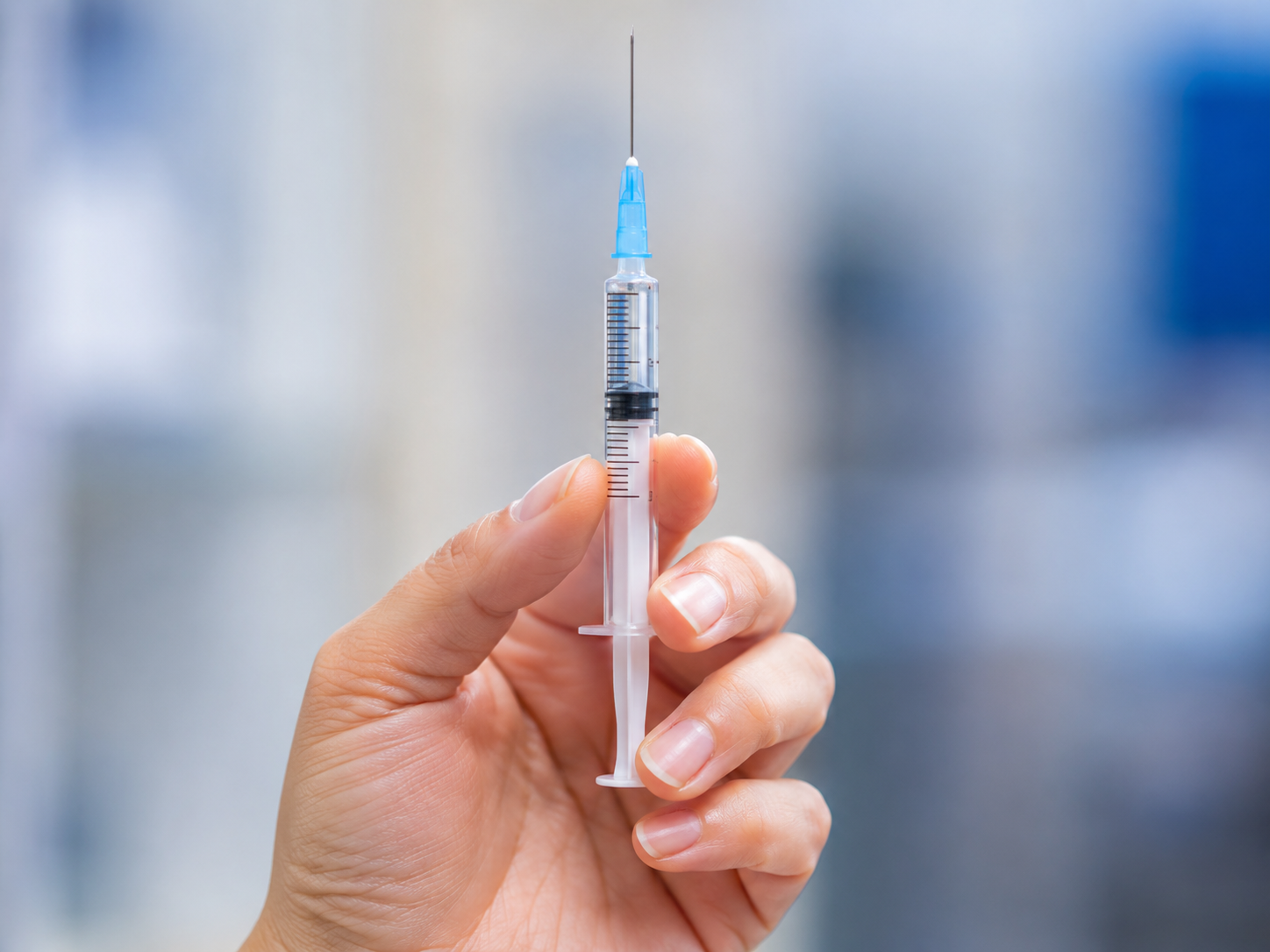
Few medical advances have saved as many lives as vaccines. They have protected generations of children from diseases that once caused widespread fear, disability, and death. Yet today, many parents feel confused. They hear one thing from doctors, another from social media, and something completely different from a podcast, influencer, or news headline. In that noise, it is easy for doubt to grow.
The confusion is understandable. Parents want to do what is safest for their children. But not all information is equal. A personal story online may feel powerful, but it is not the same as decades of scientific research, safety monitoring, and real-world evidence from millions of vaccinated children. Vaccines are among the most carefully studied medical tools we have.
Vaccines work by teaching the immune system how to recognize and fight dangerous infections before the child is exposed to them. Instead of waiting for a child to get seriously ill, vaccines prepare the body in advance. This protection matters because diseases like measles, whooping cough, meningitis, polio, hepatitis B, and others can cause severe complications, hospitalization, lifelong disability, or death.
Their impact has been extraordinary. Global immunization efforts are estimated to have saved more than 150 million lives over the past 50 years. In children, vaccines have transformed illnesses that were once common and deadly into diseases many families rarely see anymore. That success can create a false sense of security: because vaccines worked so well, some people forget how dangerous these infections really are.
Measles is a good example. It is one of the most contagious human infections, and it can cause pneumonia, brain inflammation, and death. Two doses of the MMR vaccine are about 97% effective at preventing measles. When vaccination rates fall, measles can quickly return. This is why individual decisions matter not only for one child, but also for newborns, pregnant women, people with weak immune systems, and others who depend on community protection.
Most vaccine side effects are mild and temporary, such as soreness at the injection site, low-grade fever, or fussiness for a day or two. Serious reactions are rare. By contrast, the diseases vaccines prevent can be far more dangerous. Choosing vaccination is not choosing “risk versus no risk”; it is choosing the much smaller risk of vaccination over the much larger risk of infection.
One of the most persistent myths is that vaccines cause autism. This claim has been studied repeatedly and carefully, and major scientific reviews have found no link between vaccines, including the MMR vaccine, and autism. Unfortunately, misinformation often spreads faster than corrections, especially when it is emotional or frightening.
For parents, the best approach is not to rely on viral posts or political debates, but to speak with a trusted pediatrician or family doctor. Ask questions. Discuss side effects. Review the recommended schedule. The childhood vaccine schedule is designed to protect children at the ages when they are most vulnerable, not to overwhelm them. Delaying vaccines can leave children exposed during the very period when infections can be most dangerous.
Vaccinating children is an act of protection. It protects the child, the family, the classroom, and the wider community. It helps keep schools open, protects babies too young to be fully vaccinated, and reduces the chance that dangerous diseases will return.
In a world full of mixed messages, the core truth remains simple: vaccines save lives. Giving children their recommended vaccines is one of the safest, most effective, and most loving decisions parents can make for their health and future.