
Osteoporosis: The Silent Bone Thief
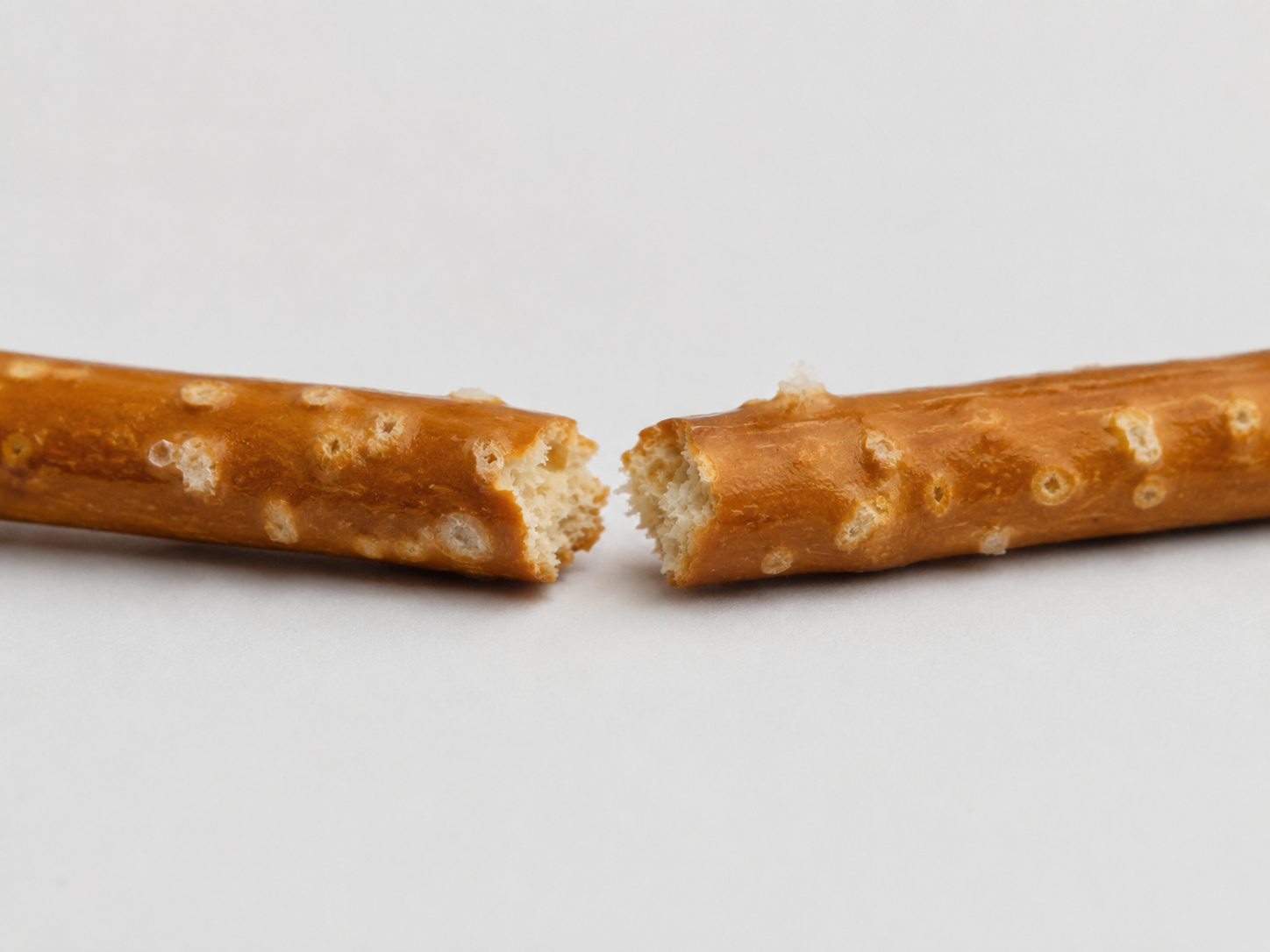
It often begins with something small.
A person slips in the kitchen, trips on a step, or reaches out to break a fall. The injury seems ordinary, but the result is not: a broken wrist, a fractured hip, or a compressed bone in the spine. That is when many people first hear the word “osteoporosis.”
Osteoporosis means the bones have become weaker and more fragile. It is sometimes called a silent disease because people usually do not feel their bones getting thinner. There may be no pain, no warning, and no obvious symptoms until a fracture happens. By then, the disease may have been developing quietly for years.
It is also more common than many people think. In the United States, osteoporosis affects about 18.8% of women and 4.2% of men age 50 and older. Worldwide, about one in three women and one in five men over age 50 will experience an osteoporosis-related fracture during their remaining lifetime. This is not only a “women’s disease,” although women are at higher risk, especially after menopause.
One common myth is that osteoporosis is just a normal part of aging. Aging increases risk, but fractures are not something we should simply accept. Another myth is that only thin, older women get osteoporosis. In reality, men can get it too, and risk can increase with family history, smoking, heavy alcohol use, low calcium or vitamin D intake, certain medications such as long-term steroids, low body weight, early menopause, and some chronic diseases.
The signs can be subtle. A person may notice loss of height, a curved upper back, sudden back pain, or a fracture after a minor fall. But many people have no symptoms at all. That is why bone density testing, often called a DEXA scan, matters for people at risk.
Managing osteoporosis is about strengthening bones and preventing falls. Treatment may include calcium and vitamin D when needed, medications that slow bone loss or help build bone, and checking for medical causes that may be weakening the bones. A doctor can help decide which treatment is appropriate based on bone density, age, fracture history, and overall risk.
Exercise plays a major role. Weight-bearing activities such as walking, stair climbing, dancing, and light jogging help bones respond to healthy stress. Resistance training, such as lifting weights or using resistance bands, helps strengthen muscles and bones. Balance exercises, such as tai chi or guided stability training, can reduce the risk of falls. The goal is not extreme exercise; it is consistent, safe movement.
Body weight also matters. Very low body weight can increase fracture risk because there is less mechanical load on the bones and often less reserve after a fall. On the other hand, excess weight does not fully protect against osteoporosis and may increase fall risk, joint stress, and mobility problems. The healthiest approach is not chasing a number on the scale, but building strength, improving balance, eating well, and keeping the body active.
Food is part of the story too. Bones need enough calcium, vitamin D, protein, and overall nutrition. Dairy products, fortified foods, leafy greens, beans, fish with soft bones, eggs, and balanced protein sources can all support bone health. Supplements may help some people, but they should not replace a good diet or medical care.
Osteoporosis is quiet, but it is not hopeless. With early diagnosis, the right treatment, safer movement, better nutrition, and fall prevention, many fractures can be avoided. The best time to protect your bones is before they break.
Strong bones are not only about aging well. They are about staying independent, steady, and confident in everyday life.