
More than just snoring: Sleep Apnea, the most common underdiagnosed disease
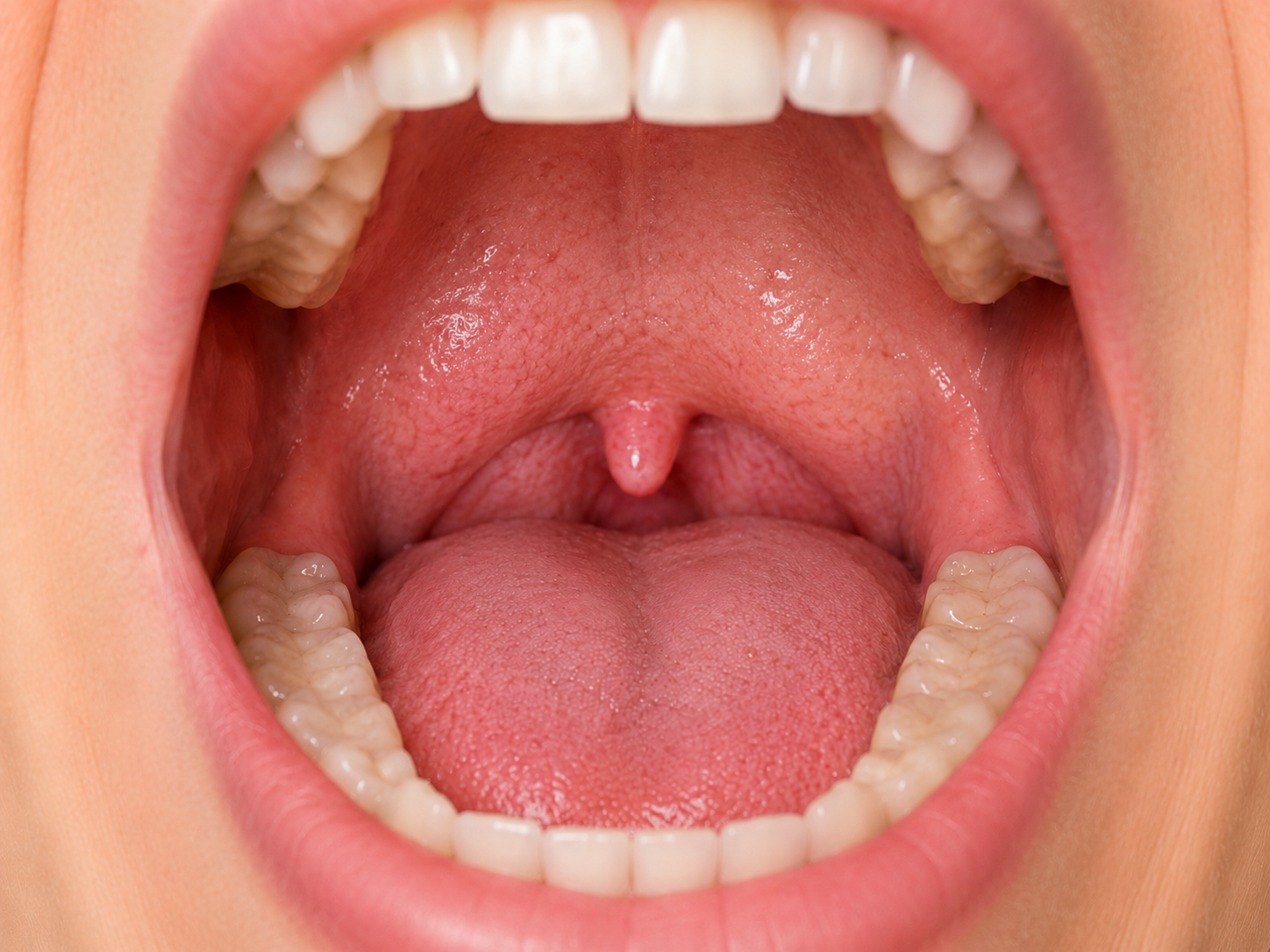
Snoring Is More Than Just Noise!
It often starts as a joke: “Your snoring kept everyone awake.” But sometimes snoring is not just an annoyance. It may be a sign of sleep apnea, a common condition in which breathing repeatedly stops or becomes very shallow during sleep.
The most common type is obstructive sleep apnea. It happens when the muscles and tissues in the throat relax and block the airway. Each time breathing stops, oxygen levels may drop, and the brain briefly wakes the body to start breathing again. The person usually does not remember these awakenings, but sleep becomes fragmented and unrefreshing.
Sleep apnea is more common than many people realize. Millions of adults are affected, and many remain undiagnosed. It is more likely with age, excess weight, large neck size, nasal obstruction, smoking, alcohol use, and certain medical conditions, but it can also affect people who are not overweight. Women and children can have sleep apnea too, and their symptoms may be less obvious.
One major myth is that sleep apnea is “just snoring.” Loud snoring, especially when followed by choking, gasping, or pauses in breathing, should not be ignored. Another myth is that feeling tired every day is normal. Constant fatigue, morning headaches, poor concentration, irritability, and waking up unrefreshed may all be signs that sleep is being interrupted by breathing problems.
Other symptoms include dry mouth in the morning, restless sleep, frequent nighttime urination, daytime sleepiness, mood changes, and high blood pressure that is difficult to control. In children, sleep apnea may appear as hyperactivity, poor attention, behavioral changes, or school difficulties rather than simple sleepiness.
Early diagnosis matters because untreated sleep apnea can affect far more than sleep. It is linked to high blood pressure, heart disease, stroke, diabetes, daytime accidents, and poor quality of life. Over time, repeated drops in oxygen and repeated awakenings place stress on the heart, brain, and body.
Diagnosis usually involves a medical evaluation and a sleep study, either at home or in a sleep lab. The good news is that sleep apnea is treatable. Treatment may include weight loss when appropriate, avoiding alcohol or sedatives before bed, sleeping on the side, treating nasal congestion, using CPAP therapy, wearing a custom oral appliance, or, in selected cases, surgery.
Sleep apnea is not laziness, weakness, or simply “bad sleep.” It is a medical condition that can quietly affect energy, mood, relationships, safety, and long-term health. If you or someone you love snores loudly, gasps during sleep, stops breathing at night, or wakes up tired despite enough hours in bed, it may be time to talk to a doctor.
Sometimes, better health begins by paying attention to what happens after the lights go out.