GMO Food and Organic Food: What Should We Really Worry About?
It often starts in the grocery aisle. One product says “organic,” another says “non-GMO,” and a third says “natural.” The labels sound reassuring, but they can also create confusion and fear. Many parents wonder: Are GMO foods harmful? Is organic always better? And what should I really feed my family?
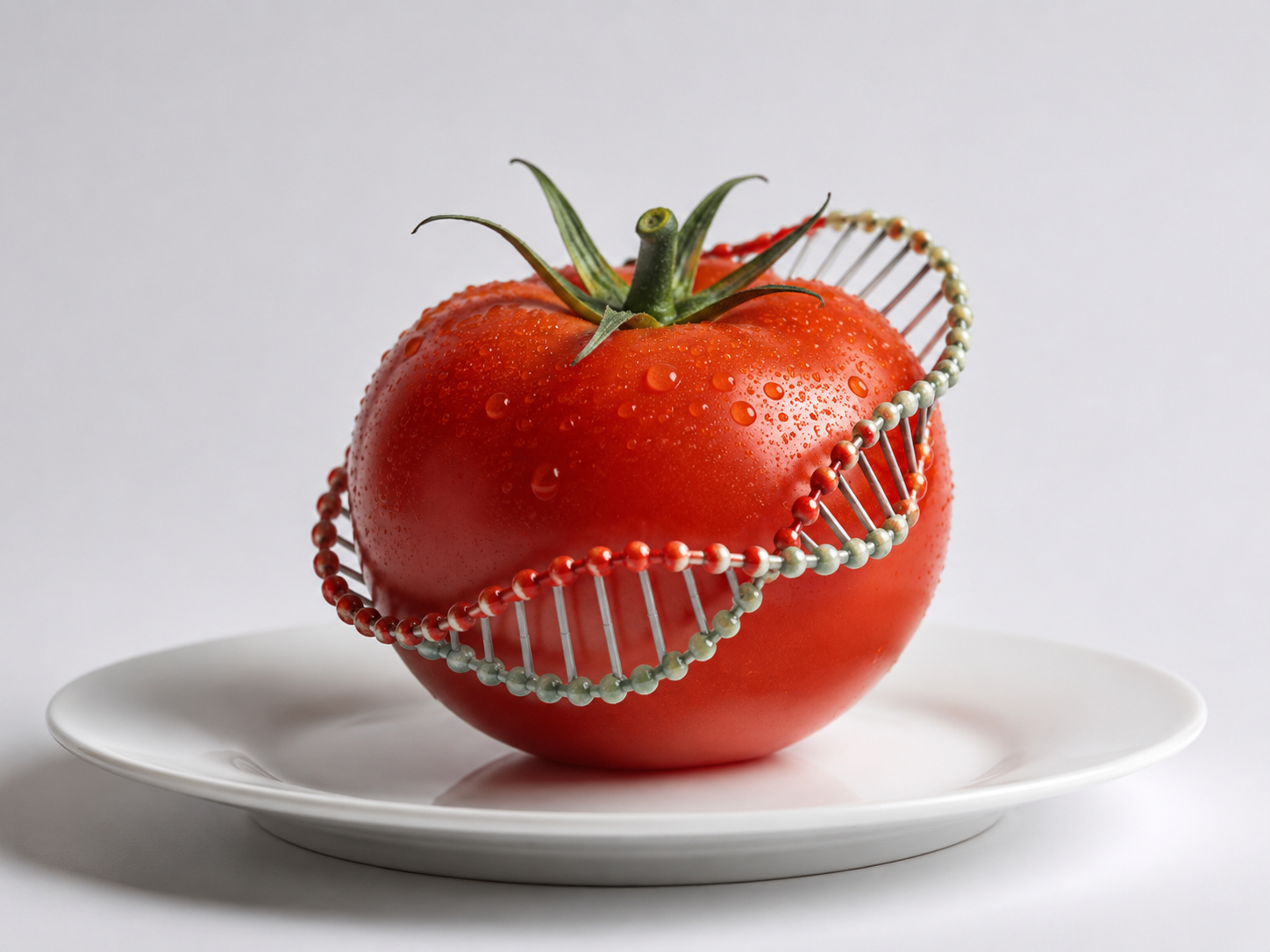
GMO stands for genetically modified organism. In food, it usually means a crop has been changed using biotechnology to give it a useful trait, such as resistance to insects, tolerance to drought, reduced bruising, or improved nutrition. While the term may sound new, humans have been changing crops for thousands of years through selective breeding. Modern genetic engineering is simply a more precise tool.
The main question is safety. Based on current scientific evidence, GMO foods approved for the market are considered as safe and nutritious as comparable non-GMO foods. This does not mean every farming practice is perfect, or that people should not ask questions. But the process of genetic modification itself has not been shown to make approved foods dangerous.
Many myths about GMOs come from mixing different concerns together. Some people worry that GMOs cause cancer, allergies, or changes in human DNA. Current evidence does not support these claims. Eating GMO food does not change your genes, and approved GMO foods are evaluated for safety before entering the food supply.
There is also no recognized “GMO illness” with a specific set of symptoms. If someone develops rashes, vomiting, diarrhea, stomach pain, swelling, or breathing problems after eating, the cause may be a food allergy, intolerance, infection, celiac disease, or another medical condition. These symptoms deserve medical evaluation, especially if they are severe, repeated, or affect a child. Early diagnosis and treatment matter because guessing based on food labels can delay finding the real problem.
Organic food is different. “Organic” refers to how food is grown or produced. In the United States, organic standards prohibit genetic engineering and limit many synthetic pesticides and fertilizers. Some families choose organic food for environmental, personal, or pesticide-reduction reasons. That is a reasonable choice when it fits the budget. But organic does not automatically mean healthier, safer, or more nutritious, and conventional food does not mean unsafe.
For most families, the bigger health question is not whether food is GMO or organic, but whether the diet is balanced. A conventional apple is usually a better choice than an organic cookie. Fruits, vegetables, whole grains, beans, nuts, healthy proteins, and minimally processed foods matter far more than fear-based labels.
The practical message is simple: do not let marketing or social media make feeding your family feel frightening. GMO foods are not automatically harmful, and organic foods are not automatically superior. Both can fit into a healthy diet. Focus on variety, balance, and real symptoms. And when symptoms appear, seek medical advice rather than relying on labels or online fear.