
When Science Fights Back: Understanding Childhood Cancer Treatment
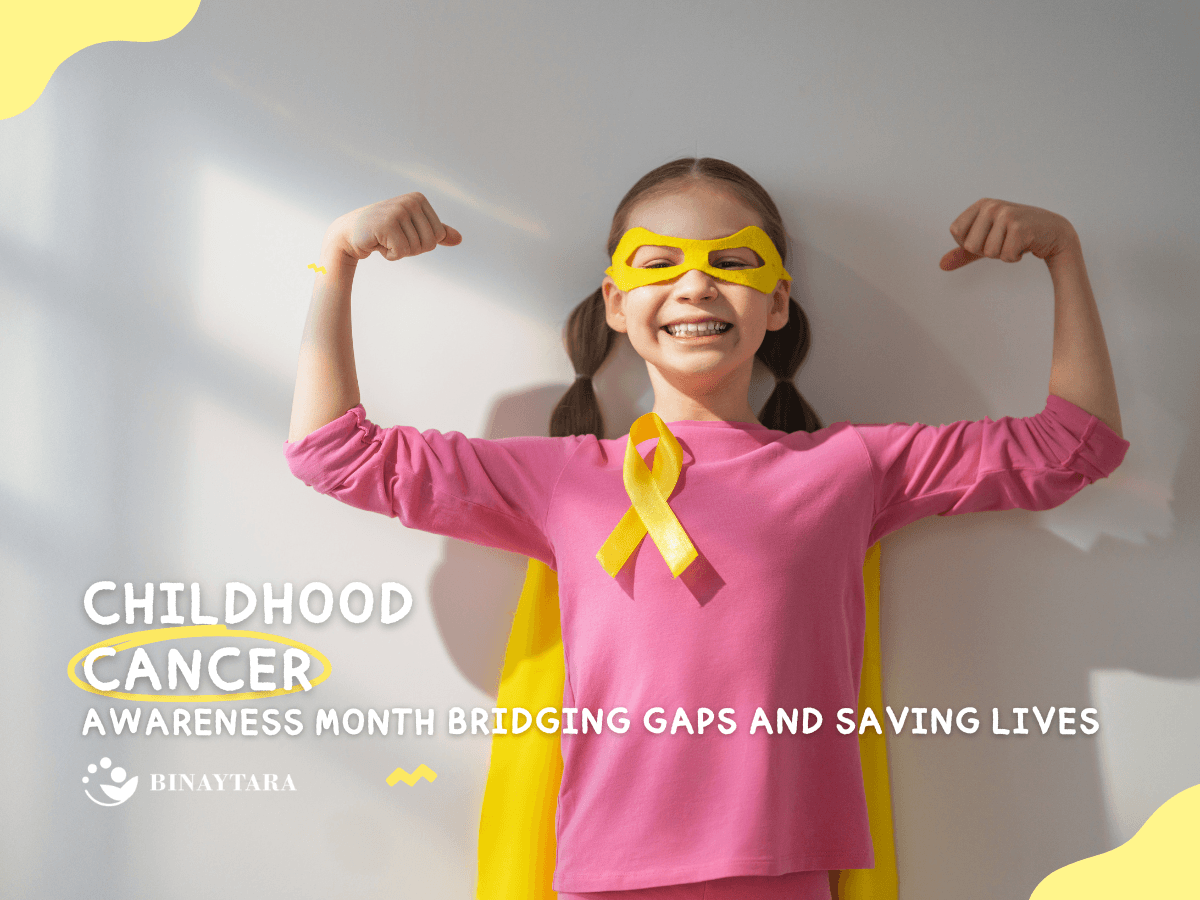
When cancer disrupts the normal rules of cell growth, science doesn’t simply stand by and watch. Over the years, researchers have learned more about how childhood cancer cells grow, survive, and interact with healthy tissues. This growing knowledge has transformed treatment, giving doctors a wider range of tools to fight cancer while supporting the child’s overall health.
From medicines that target rapidly dividing cells to therapies that help the immune system recognize cancer, treatment is becoming increasingly precise and personalized.
So, what tools does science have in its toolbox?
Let’s take a look at how modern medicine fights childhood cancer, and how research is helping shape the future.
🧪 Chemotherapy: targeting fast-growing cells
Think of chemotherapy as targeting cells that are dividing rapidly. Many cancer cells multiply quickly, making them particularly vulnerable to these medicines.
🎯 Targeted therapy: finding cancer’s weak spot
Cancer cells can carry specific genetic or molecular changes that help them grow and survive. Scientists can identify these changes and develop targeted medicines designed to interfere with specific proteins or pathways that cancer cells depend on. It’s a little like finding the specific switch that keeps a machine running, and turning it off.
🛡️ Immunotherapy: helping the immune system fight back
Our immune system is naturally designed to recognize and eliminate abnormal cells. But cancer can sometimes find ways to hide from the immune system or avoid being attacked. Immunotherapy helps the immune system recognize or attack cancer cells more effectively. For certain childhood cancers, immunotherapy has become an important part of modern treatment.
🧬 Precision medicine: because every cancer has its own fingerprint
Two children may have the same general type of cancer but different genetic or molecular changes within their cancer cells. That’s why researchers increasingly study the molecular “fingerprint” of each cancer. Understanding these differences can sometimes help doctors identify treatments that are more specifically suited to an individual child’s cancer. In other words, the goal is moving from “one treatment for everyone” toward treatment guided by the biology of each cancer.
But treating cancer means caring for the whole child. Children are still children. They need to grow, learn, play, laugh, and feel supported throughout their treatment. That’s why pediatric cancer care goes beyond treating cancer cells. It can also include nutritional support, pain management, psychological care, rehabilitation, infection prevention, and support for children and their families.
And when treatment ends, care doesn’t necessarily end with it. Follow-up and survivorship care help monitor recovery, growth and development, and any possible long-term effects of treatment. This ongoing care is an important part of helping children transition back to everyday life and maintain their health.
The future is getting smarter. The goal is not simply to fight cancer harder, but to fight it smarter—developing treatments that are increasingly effective and personalized while protecting healthy tissues whenever possible.
In conclusion, Awareness helps turn fear into knowledge. Research helps turn knowledge into better treatments. And better treatments can give more children the opportunity to grow, dream, play, and build the futures they deserve. Because behind every diagnosis is more than a disease. There is a child with dreams, a family with hope, and a future worth fighting for.