
Celiac Disease and Gluten Sensitivity: When Bread Becomes the Clue
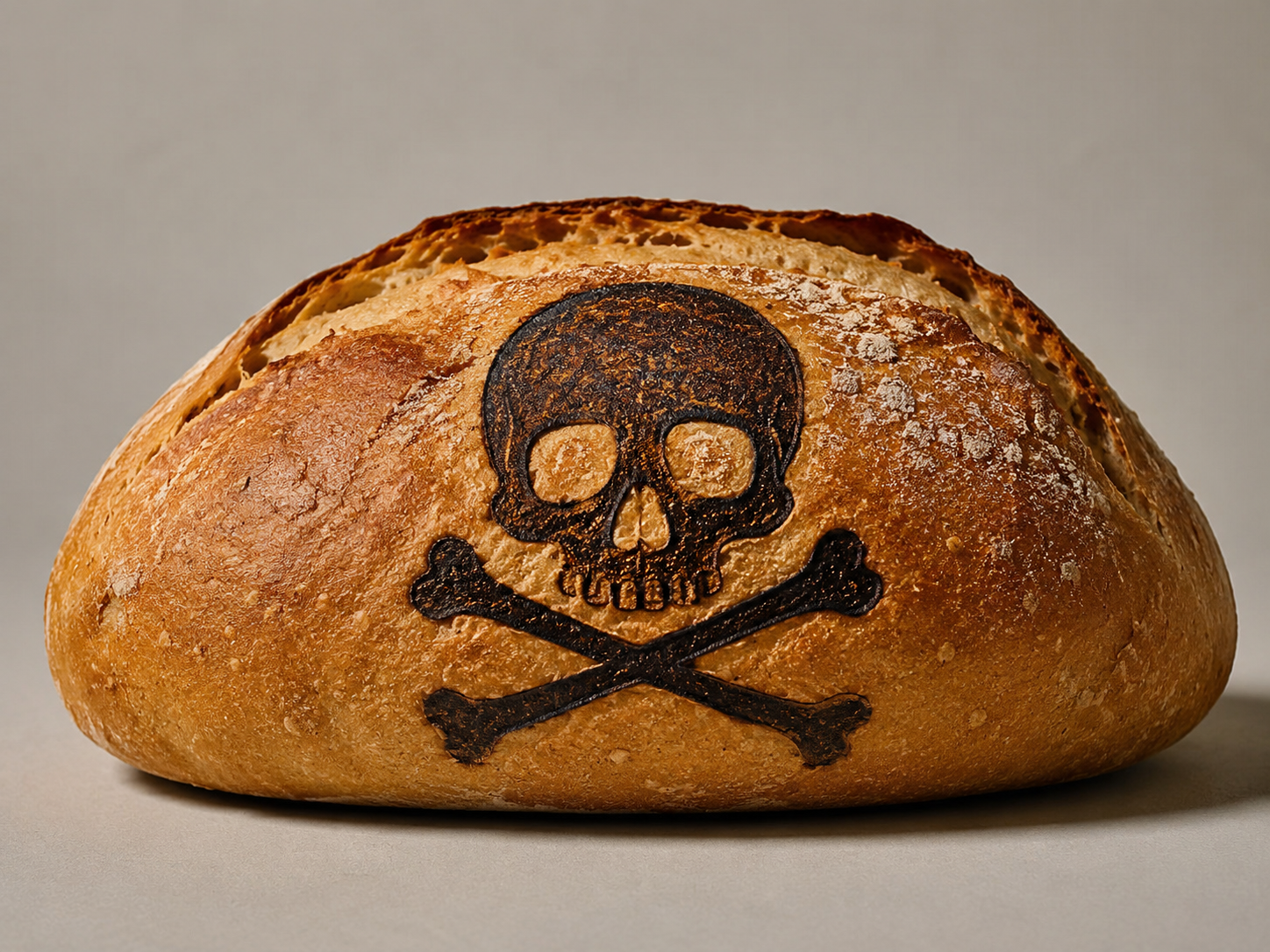
It may start after a sandwich, a bowl of pasta, or a slice of pizza. A few hours later, bloating, stomach pain, diarrhea, fatigue, or brain fog may occur. For some people, gluten is the trigger. But not every reaction to gluten is the same.
Celiac disease, also called gluten-sensitive enteropathy, is an autoimmune disease. When a person with celiac disease eats gluten, a protein found in wheat, barley, and rye, the immune system attacks the lining of the small intestine. Over time, this damage can make it harder to absorb nutrients and may lead to anemia, weight loss, weak bones, fertility problems, or other complications. Celiac disease affects about 1% of people worldwide, and many remain undiagnosed.
Non-celiac gluten sensitivity is different. People with this condition may develop symptoms after eating gluten-containing foods, such as bloating, abdominal pain, diarrhea, constipation, fatigue, headache, joint pain, or “brain fog,” but they do not test positive for celiac disease and do not have the same autoimmune damage to the small intestine.
One common myth is that celiac disease is simply a “gluten allergy.” It is not. Wheat allergy, celiac disease, and non-celiac gluten sensitivity are separate conditions. Wheat allergy is an allergic reaction. Celiac disease is autoimmune. Gluten sensitivity is a symptom-based condition that is diagnosed only after celiac disease and wheat allergy are ruled out.
Symptoms of celiac disease can be digestive or non-digestive. Some people have diarrhea, constipation, bloating, nausea, or abdominal pain. Others mainly experience fatigue, iron-deficiency anemia, mouth ulcers, headaches, joint pain, poor growth in children, or an itchy blistering rash called dermatitis herpetiformis. This variety is one reason celiac disease is often missed.
Diagnosis matters. Anyone with persistent symptoms should avoid self-diagnosing or starting a gluten-free diet before testing, because removing gluten can make celiac blood tests less accurate. Doctors may use blood tests and sometimes an endoscopy with small intestine biopsies to confirm celiac disease.
Management depends on the diagnosis. For celiac disease, treatment is a strict lifelong gluten-free diet, avoiding wheat, barley, rye, and hidden gluten in sauces, processed foods, medications, and cross-contamination. For non-celiac gluten sensitivity, some people improve by reducing or avoiding gluten, but they may not need the same lifelong strictness required for celiac disease. A clinician or dietitian can also help check whether symptoms are actually caused by other triggers, such as lactose intolerance, irritable bowel syndrome, or certain carbohydrates in wheat.
The message is simple: gluten can cause real symptoms, but the reason matters. Celiac disease is not a fad, and gluten sensitivity is not the same thing. Getting the right diagnosis helps people avoid unnecessary fear, protect their health, and choose a diet that truly fits their body.